
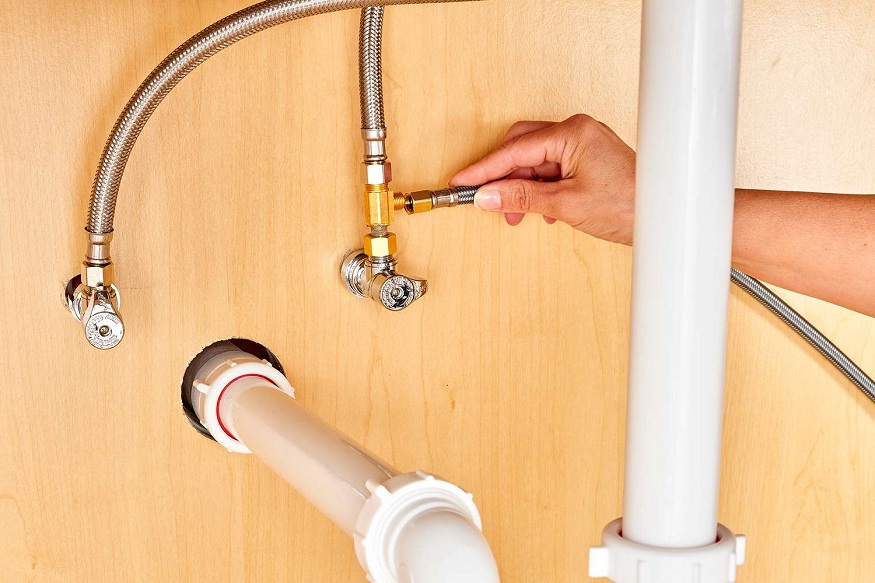
It may appear to be a simple task to install a water line for household appliances; however, even a minor error can result in leakage, water damage, diminished appliance performance, and expensive repairs. Whether the connection is for a refrigerator, dishwasher, ice maker, or washing machine, every step of the installation process requires attention to detail. In addition to guaranteeing consistent functionality, an appropriately installed water line also contributes to the extension of the appliance’s lifecycle and the life of the plumbing system. Understanding the most common installation mistakes can help homeowners make informed decisions and avoid unnecessary problems in the future.
Choosing The Wrong Type Of Water Line
One of the biggest mistakes is selecting an unsuitable water supply line. Different appliances require specific types of tubing or connectors that can safely handle water pressure and long-term use. Using low-quality materials or incompatible fittings increases the risk of cracks, corrosion, and unexpected leaks.
Selecting durable materials that meet plumbing standards helps create a dependable connection and reduces the likelihood of future maintenance issues.
Ignoring Water Pressure Requirements
Every appliance is designed to operate within a recommended water pressure range. Connecting a water line without checking the existing pressure can create performance problems. Excessive pressure may damage valves and connectors, while low pressure can prevent appliances from operating efficiently.
Testing water pressure before appliance water line installation allows adjustments to be made if necessary, ensuring consistent operation after the appliance is connected.
Failing To Shut Off The Water Supply
Attempting an installation without completely shutting off the main or local water supply is another common mistake. Even a small amount of flowing water can make installation difficult and increase the chance of accidental flooding.
Read More: Professional Water Line and Sewer Line Repair: Ensuring a Safe and Functional Home
Taking a few extra minutes to confirm that the water supply is fully turned off helps create a safer working environment and prevents unnecessary water damage.
Using Incorrect Fittings Or Connections
Water line installations often require several connectors, valves, and compression fittings. Using the wrong size or forcing incompatible parts together can create weak joints that eventually leak.
Each fitting should match both the appliance specifications and the plumbing system. Secure connections help maintain proper water flow while minimizing the risk of future failures.
Overtightening Plumbing Connections
Many homeowners believe tightening fittings as much as possible will prevent leaks. In reality, excessive force can damage threads, crack fittings, or deform seals. These issues often create leaks instead of preventing them.
Connections should be tightened according to manufacturer recommendations, providing a secure seal without placing unnecessary stress on plumbing components.
Skipping Leak Testing After Installation
One of the most overlooked steps is failing to inspect the system after installation. Even professionally installed water lines should be tested before the appliance is placed into regular use.
Turning the water supply back on slowly and checking every connection for moisture allows small issues to be identified immediately. Correcting minor leaks early prevents larger problems later.
Poor Placement Of The Water Line
The routing of a water line is just as important as the connection itself. Lines that are bent sharply, pinched behind appliances, or exposed to excessive heat can deteriorate over time.
Proper routing allows the appliance to move slightly without placing stress on the tubing while protecting the line from unnecessary wear. Adequate spacing also makes future maintenance much easier.
Forgetting To Install A Shut-Off Valve
Some installations overlook the importance of an accessible shut-off valve dedicated to the appliance. Without one, even simple maintenance may require shutting off water to a larger portion of the home.
A dedicated shut off valve provides convenience during repairs, appliance replacement, or emergency situations while reducing disruption to the household.
Overlooking Manufacturer Installation Guidelines
Each appliance has specific installation requirements regarding water pressure, tubing size, connection points, and safety recommendations. Ignoring these guidelines can reduce appliance efficiency or even void manufacturer warranties.
Carefully following installation instructions ensures the appliance operates as intended while maintaining warranty protection.
Attempting Complex Installations Without Professional Assistance
While some homeowners enjoy completing plumbing projects themselves, appliance water line installation can become complicated depending on the home’s plumbing layout. Hidden pipes, outdated plumbing materials, or difficult access points may require specialized knowledge.
Read More: Security Considerations in Digital Signage: Protecting Your Content and Network
Professional plumbers understand local plumbing codes, use proper installation techniques, and verify that every connection functions correctly before completing the job. Their experience helps reduce the possibility of leaks and future repairs while ensuring the installation meets safety standards.
Conclusion
Appliance water line installation involves much more than simply connecting a tube between the plumbing system and an appliance. Choosing the correct materials, maintaining proper water pressure, using compatible fittings, testing for leaks, and following manufacturer instructions all contribute to a successful installation. Avoiding these common mistakes helps protect your home from water damage while improving appliance performance and reliability. Investing time in proper installation or working with experienced plumbing professionals provides long-term peace of mind and helps ensure that household appliances continue operating efficiently for years to come.







+ There are no comments
Add yours